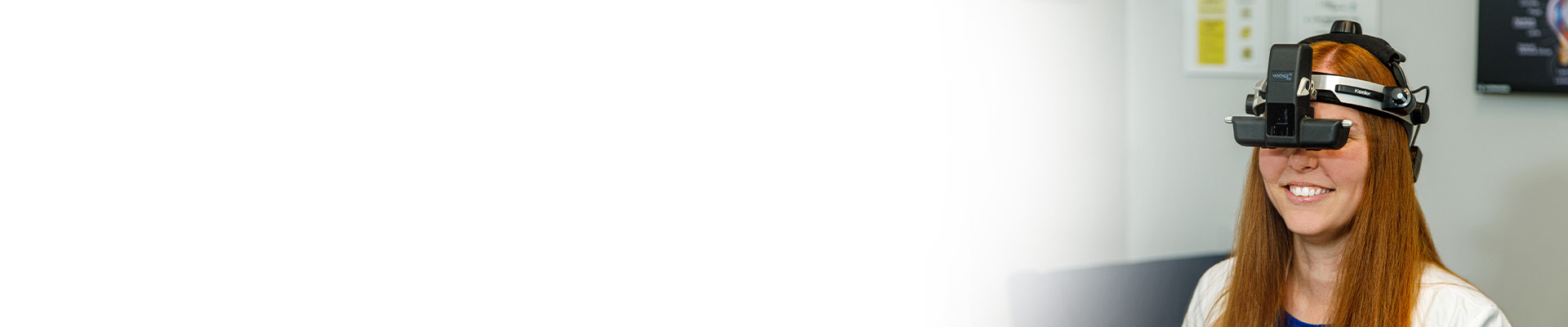


Managing Glaucoma in West Michigan: Early Detection Services That Protect Your Daily Independence
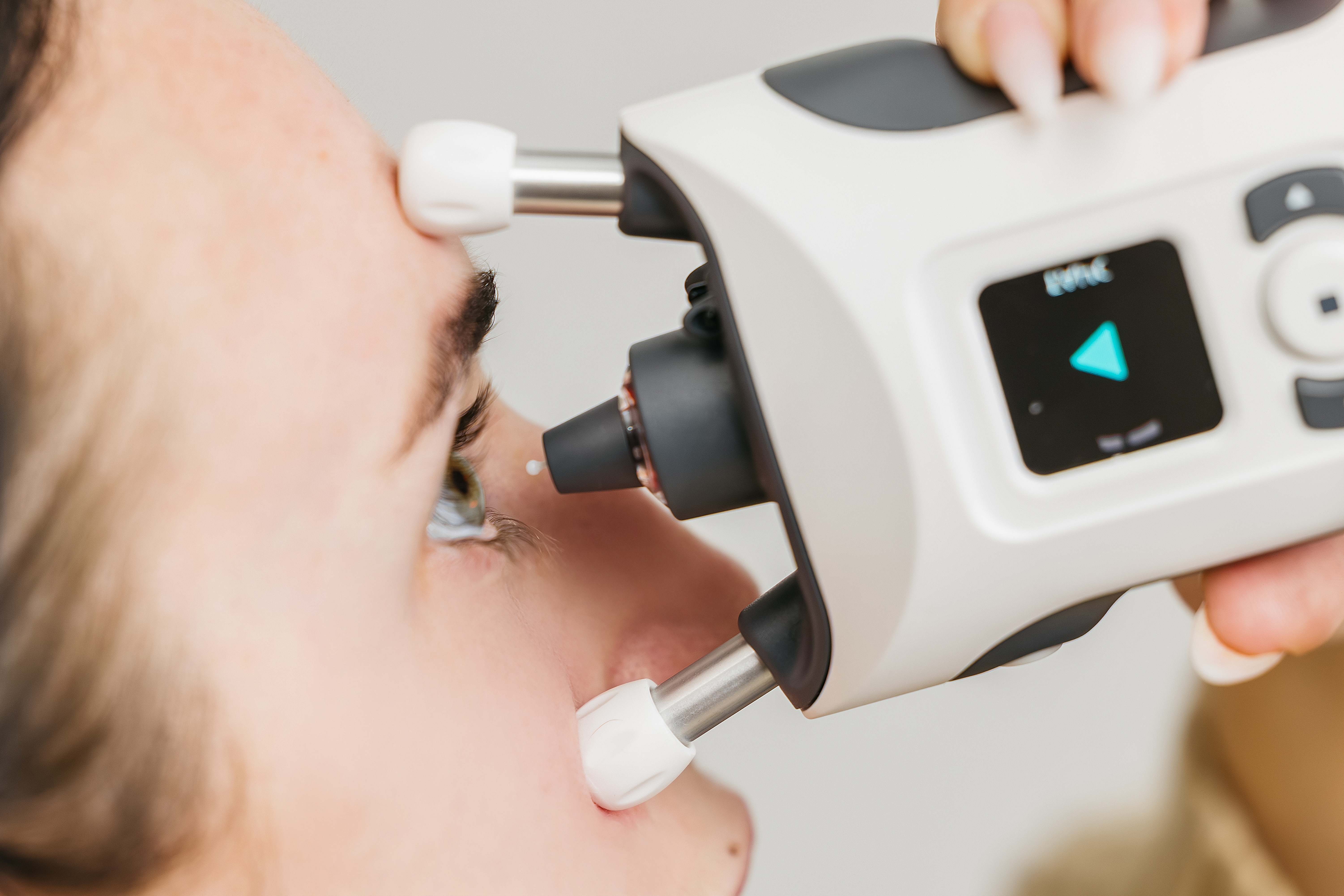
Glaucoma can develop gradually, often without noticeable symptoms during its early stages. By the time vision changes become obvious, some damage to the optic nerve may already have occurred. For patients in Ada and throughout West Michigan, regular eye exams and appropriate glaucoma testing can help detect concerning changes earlier and support long-term vision management.
At Village Family Eye Care, we use comprehensive eye exams and advanced diagnostic technology to evaluate patients who may be at risk for glaucoma or need ongoing monitoring.
Why Is Early Glaucoma Detection Important?
Glaucoma refers to a group of eye diseases that can damage the optic nerve, which carries visual information from the eye to the brain. Some forms are associated with elevated eye pressure, but glaucoma can also occur when eye pressure measures within a statistically normal range.
One challenge is that the most common forms of glaucoma often affect peripheral vision gradually. Patients may continue reading, driving, and completing everyday activities without realizing that vision is changing.
Vision already lost from glaucoma generally cannot be restored, which makes early detection and treatment especially important.
Who Should Pay Close Attention to Glaucoma Risk?
Anyone can develop glaucoma, but certain factors may increase risk. Your eye doctor may recommend closer monitoring if you have:
A family history of glaucoma
Elevated eye pressure
Increasing age
Certain medical conditions or medication use
Previous optic nerve or eye examination findings that require monitoring
Risk factors do not mean that glaucoma is inevitable. They simply help us determine how closely your eye health should be followed.
What Tests Help Detect and Monitor Glaucoma?
A glaucoma evaluation involves more than checking eye pressure. At Village Family Eye Care in Ada, several forms of diagnostic testing may be used depending on your history and examination findings.
Tonometry measures pressure inside the eye. Optical coherence tomography, or OCT, can provide detailed images of the optic nerve and retinal nerve fiber layers. Visual field testing evaluates peripheral vision and can identify patterns of vision loss associated with glaucoma.
Retinal imaging may also help document the appearance of structures inside the eye so changes can be compared over time.
No single test provides the entire answer. Glaucoma assessment typically involves looking at several findings together.
How Can Glaucoma Affect Daily Independence?
Peripheral vision plays an important role in mobility, driving, navigating stairs, noticing objects to the side, and moving safely through unfamiliar environments.
When glaucoma is detected and managed before substantial vision loss develops, the goal is to preserve remaining vision and reduce the risk of further damage. Treatment cannot guarantee that glaucoma will never progress, but consistent monitoring allows changes to be identified and addressed.
For West Michigan patients, keeping scheduled follow-up appointments is especially important because glaucoma may continue changing without producing pain or obvious symptoms.
What Happens if Glaucoma Is Detected?
Treatment depends on the type and severity of glaucoma. Prescription eye drops are commonly used to lower eye pressure. Other patients may require laser treatment, surgical care, or referral to an ophthalmologist depending on their condition.
Follow-up examinations help determine whether treatment is controlling eye pressure and whether the optic nerve or visual field is remaining stable.
Never stop glaucoma medication simply because your vision feels normal. Treatment is intended to protect vision over time, even when you do not notice an immediate difference.
Sudden severe eye pain, significant redness, nausea, halos around lights, or an abrupt change in vision requires urgent medical evaluation rather than waiting for a routine glaucoma appointment.
If you are due for an eye exam or need glaucoma monitoring in West Michigan, contact Village Family Eye Care at 7175 Headley Street SE, Ada, MI 49301 by calling (616) 271-0988 to schedule an appointment.


Our Services
Contact Info
Hours of Operation
- Monday 8:30am - 5:00pm
- Tuesday 8:30am - 5:00pm
Lunch 12:30 - 1:00pm - Wednesday 8:30am - 5:00pm
- Thursday 8:30am - 5:00pm
Lunch 12:30 - 1:00pm - Friday 7:30am - 3:00pm
- Saturday Closed
- Sunday Closed
© 2026 Village Family Eye Care. All rights Reserved. Accessibility Statement - Privacy Policy - Sitemap
Powered by: